Nagasaki Photo Notes
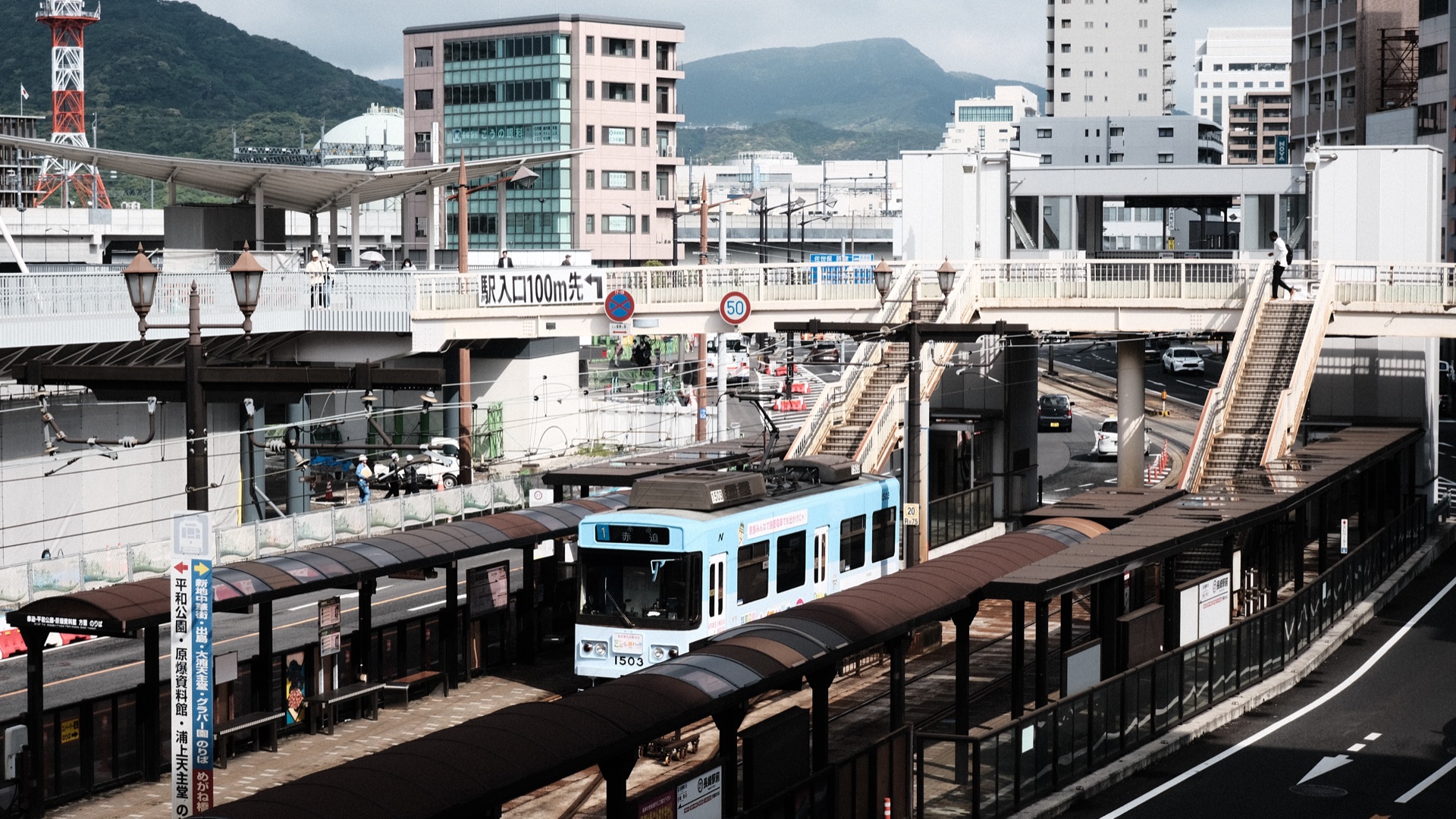
The first thing I noticed after arriving in Nagasaki was the tram. It sits right in the middle of the road, under footbridges and cables, with the mountains rising behind the station. Railway, road, tramline, and hillside all pressed together — the whole city feels folded into a small valley.
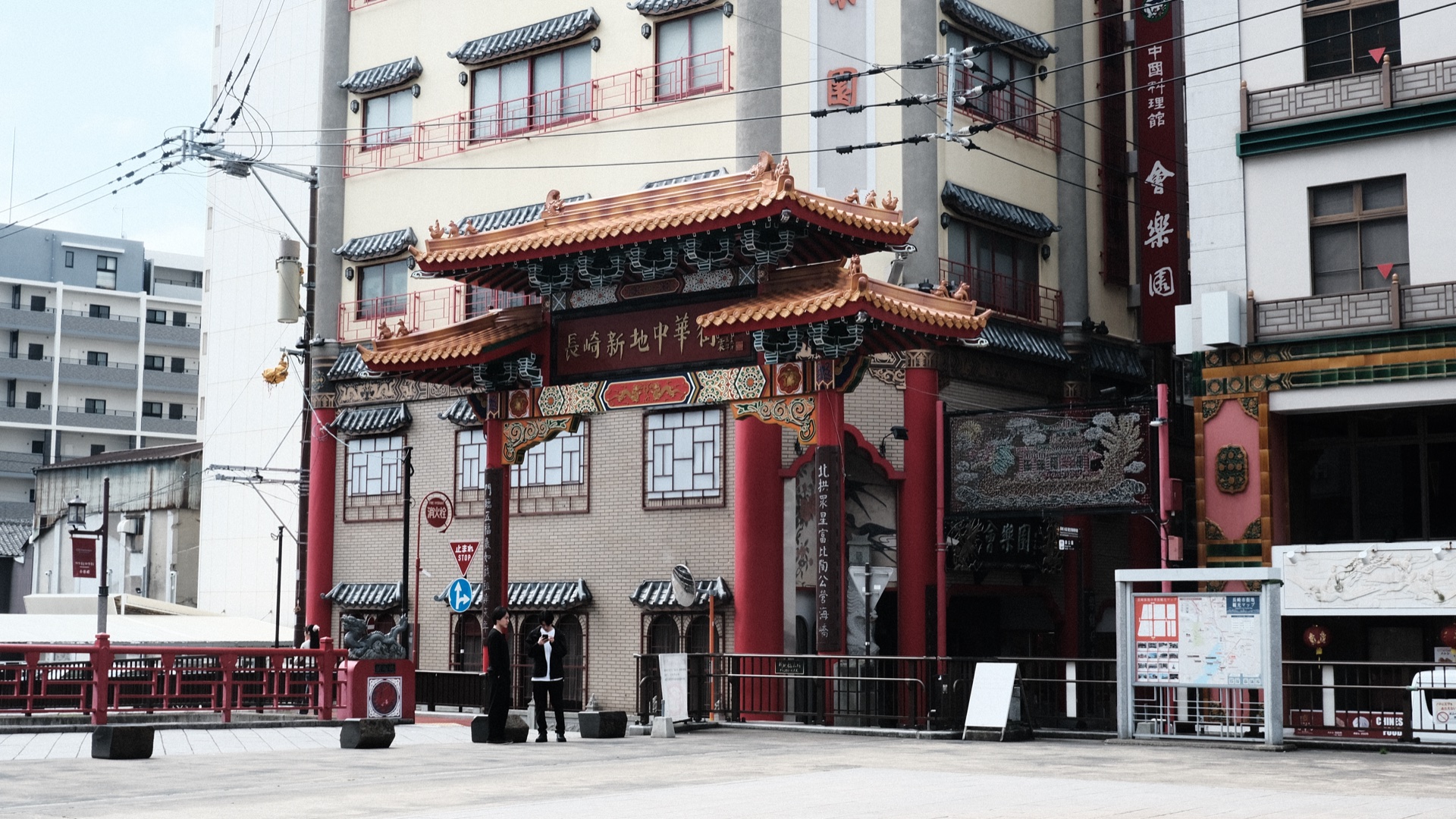
Nagasaki’s Chinatown is small, but its gate stands out — bright and a little theatrical, set among ordinary apartment blocks and tangled electric wires.
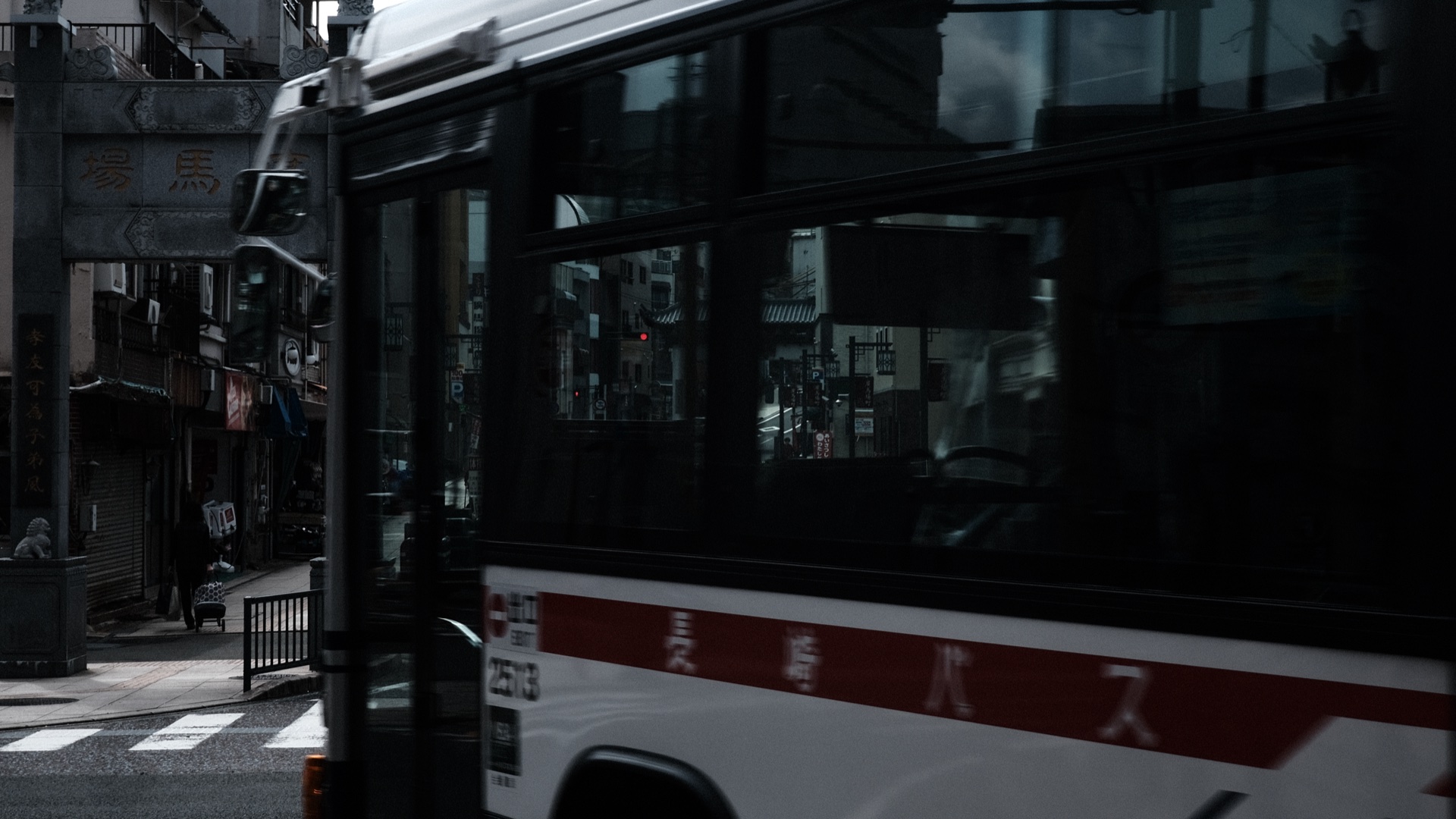
A bus passed just as I lifted the camera, cutting the street in half. For a second, Chinatown became a dark reflection behind the glass.
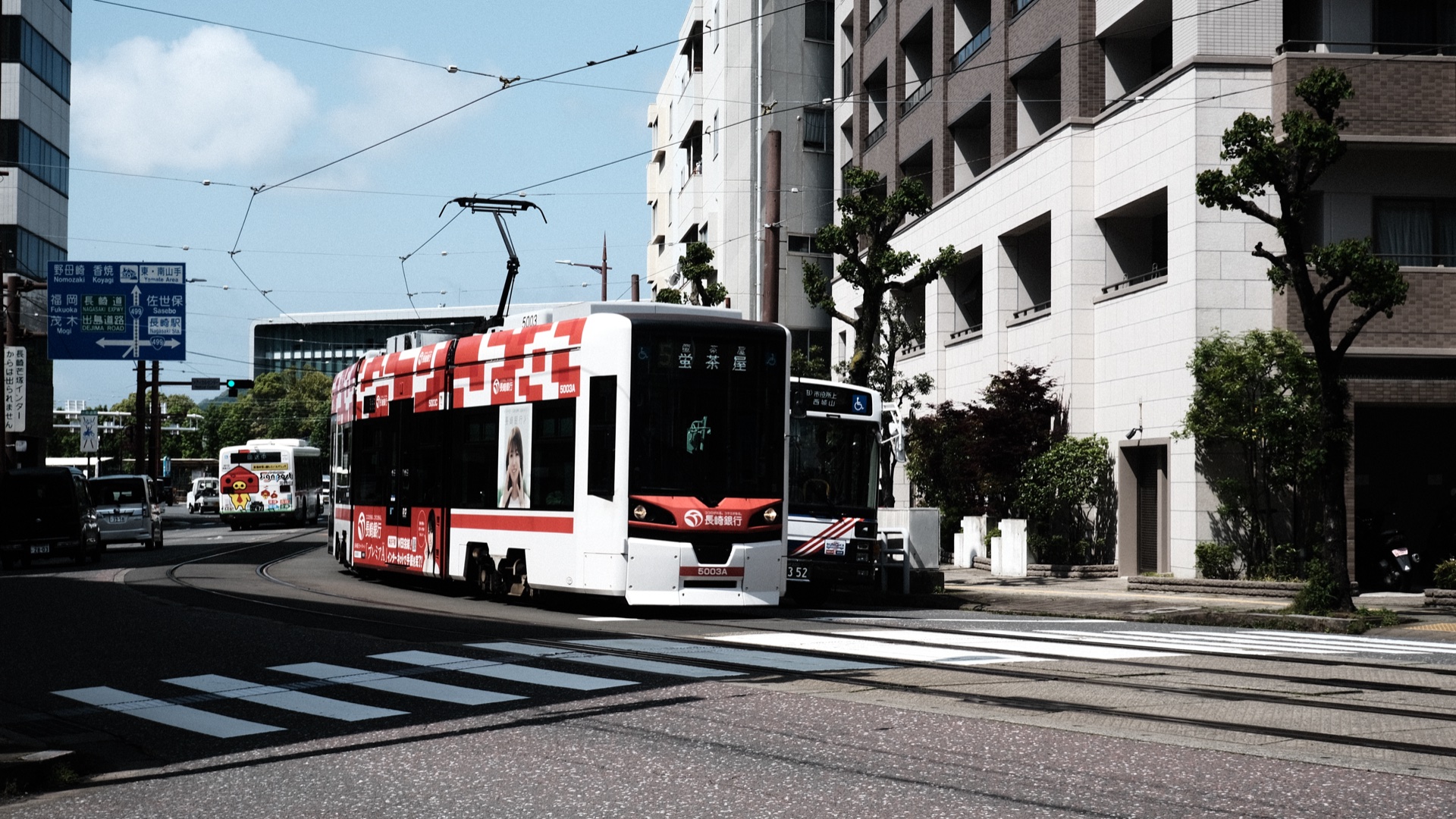
The newer tram looks too crisp against the older streets. It turns through the city with cables overhead and cars waiting beside it, calmly occupying the centre of the road.
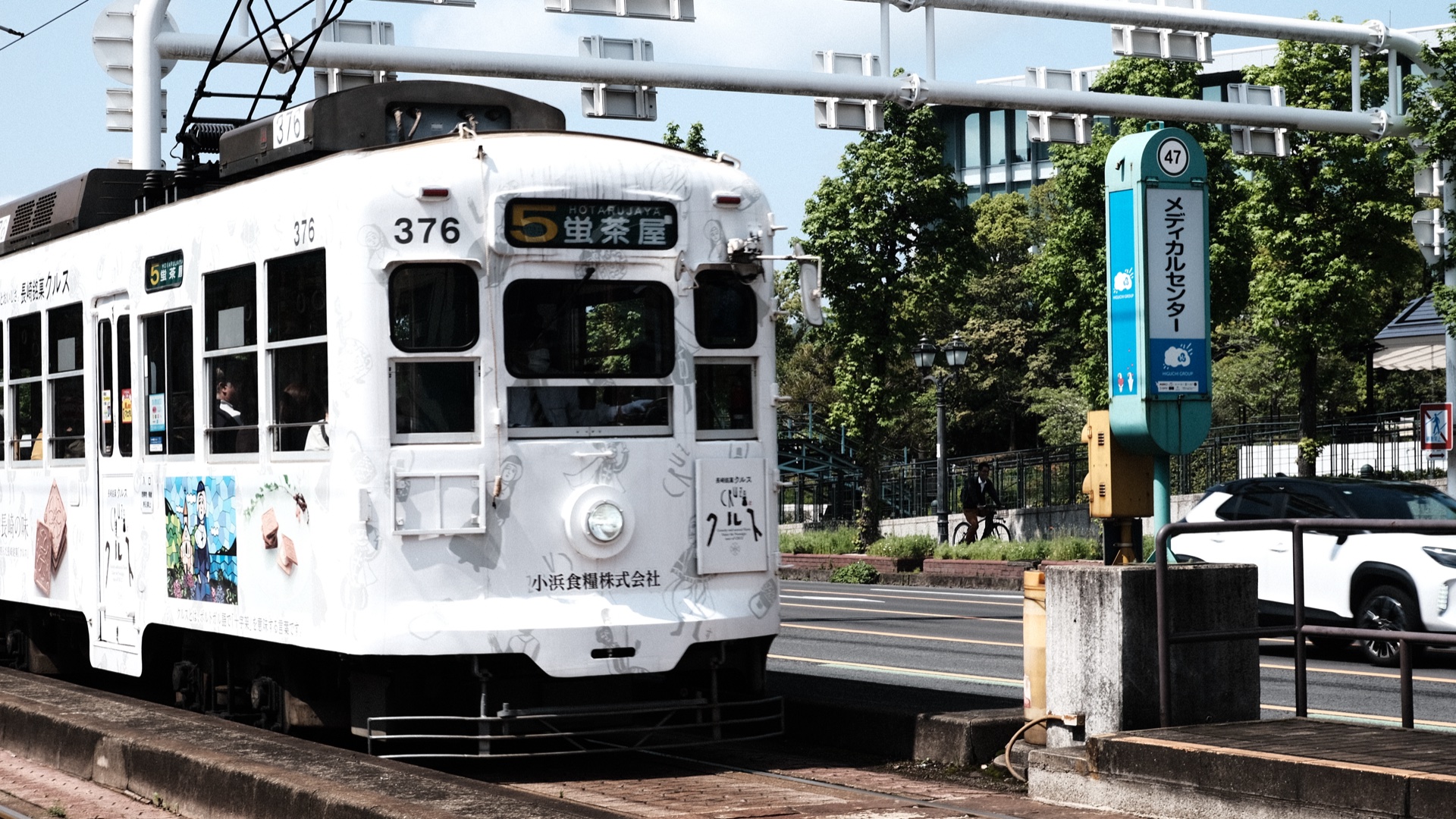
The older tram at Medical Centre has a softer, more tired charm. The stop name alone gives the scene a different weight, even before reaching the museum. People get on, people get off, and the city continues.
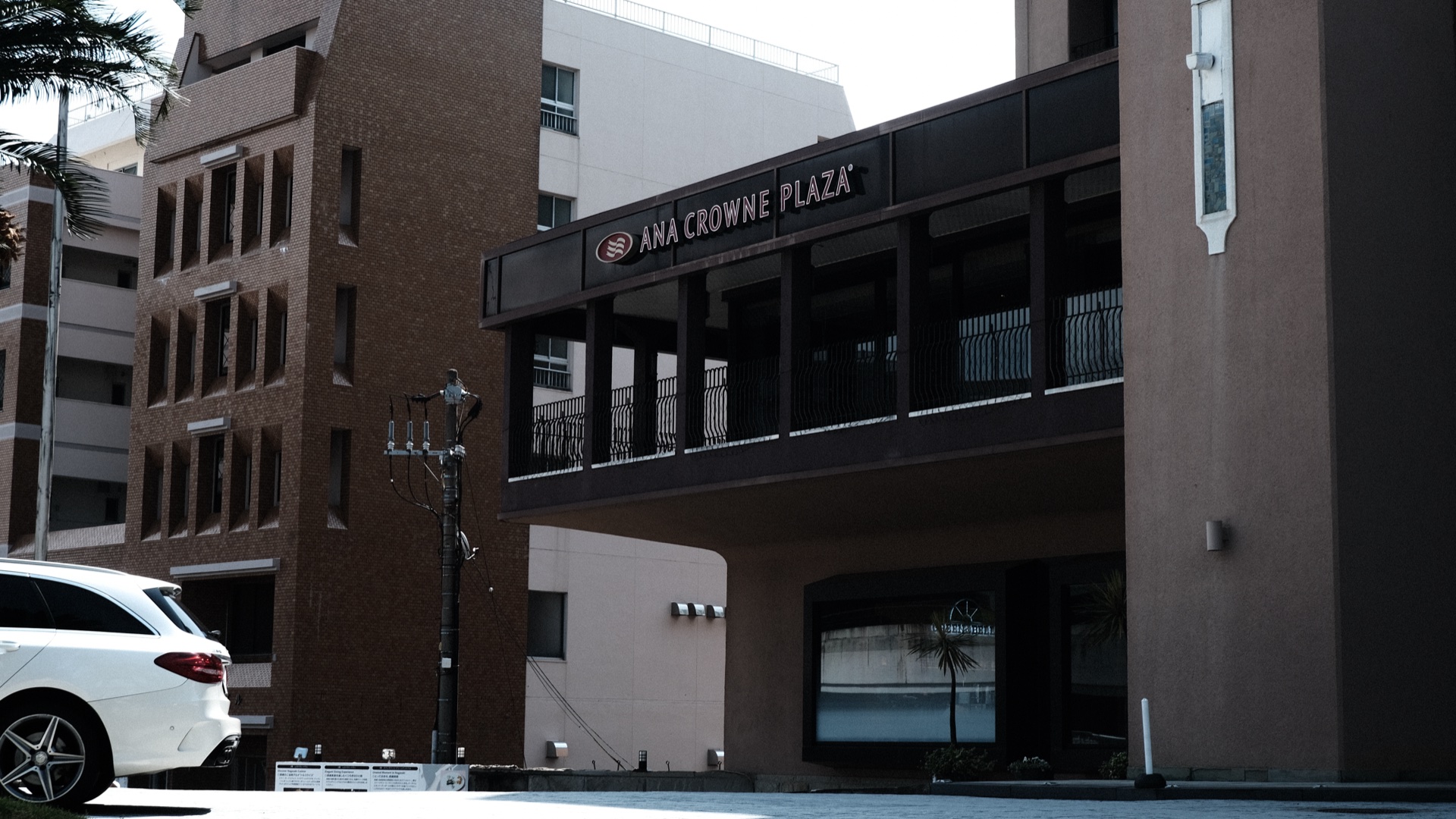
The ANA Crowne Plaza sits in a quiet corner near Oura, not particularly glamorous, but convenient in the way Japanese city hotels often are. I checked in half-asleep and grateful for an early room.
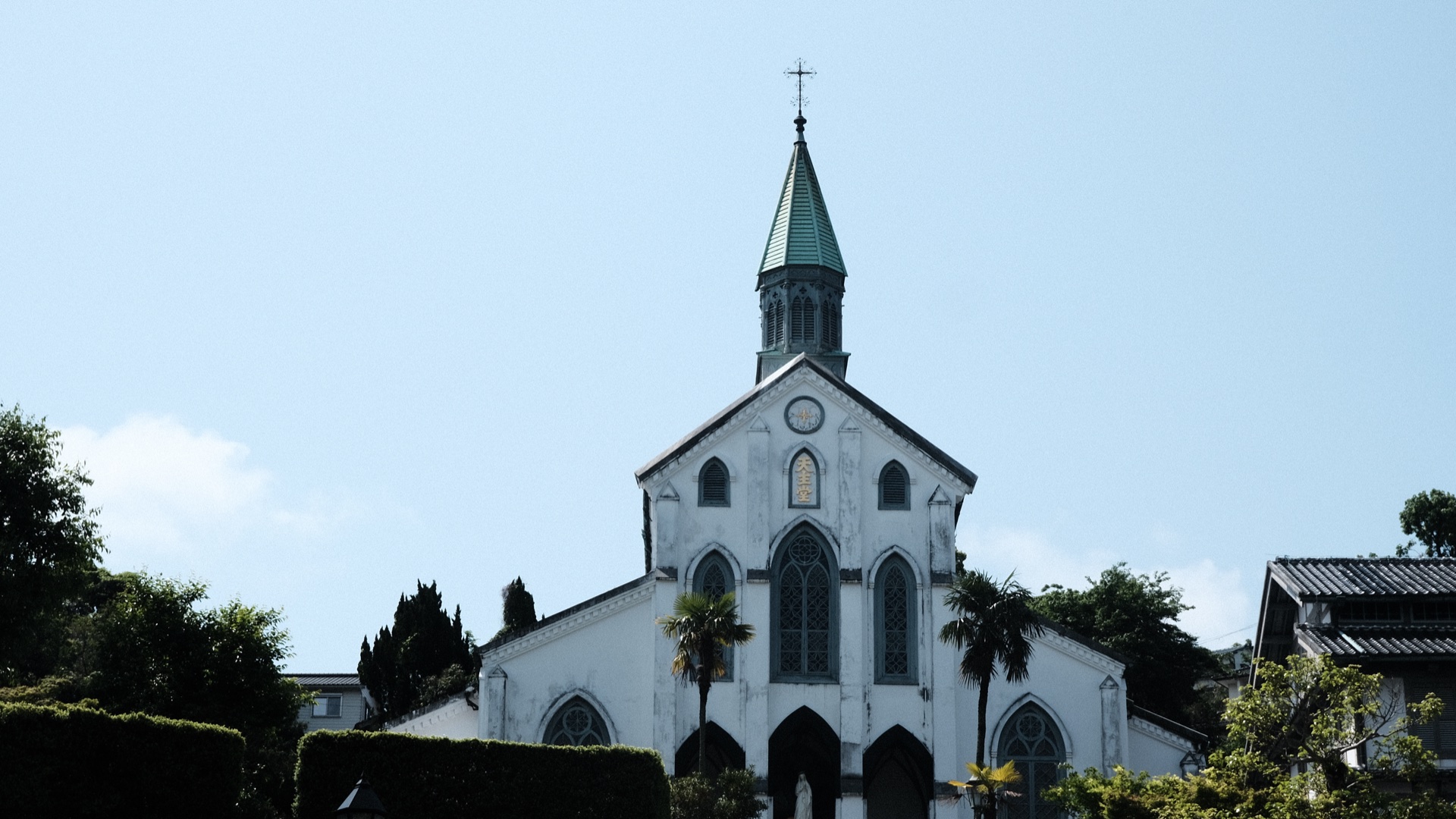
Oura Cathedral was the place I most wanted to see in Nagasaki. In the bright morning light, it looked smaller and gentler than I had imagined. Its history is heavy, but the building itself does not try to overwhelm you; it just stands there, white, weathered, and strangely calm.
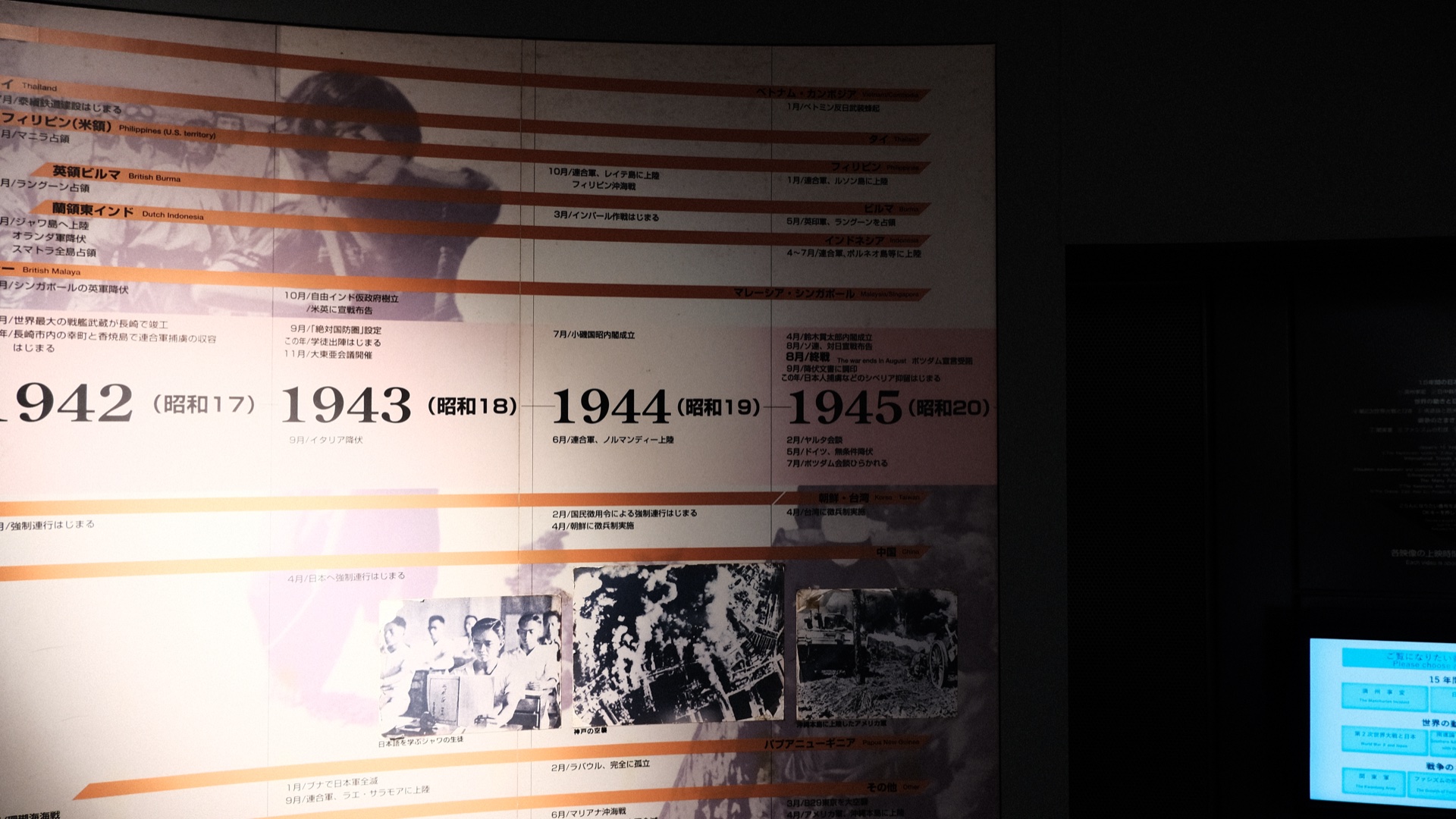
Inside the atomic bomb museum, the timeline moves towards 1945 with a terrible inevitability. What stayed with me was not only the explosion itself, but the long sequence before it: war, occupation, empire, decisions made elsewhere, ordinary people pulled into them.
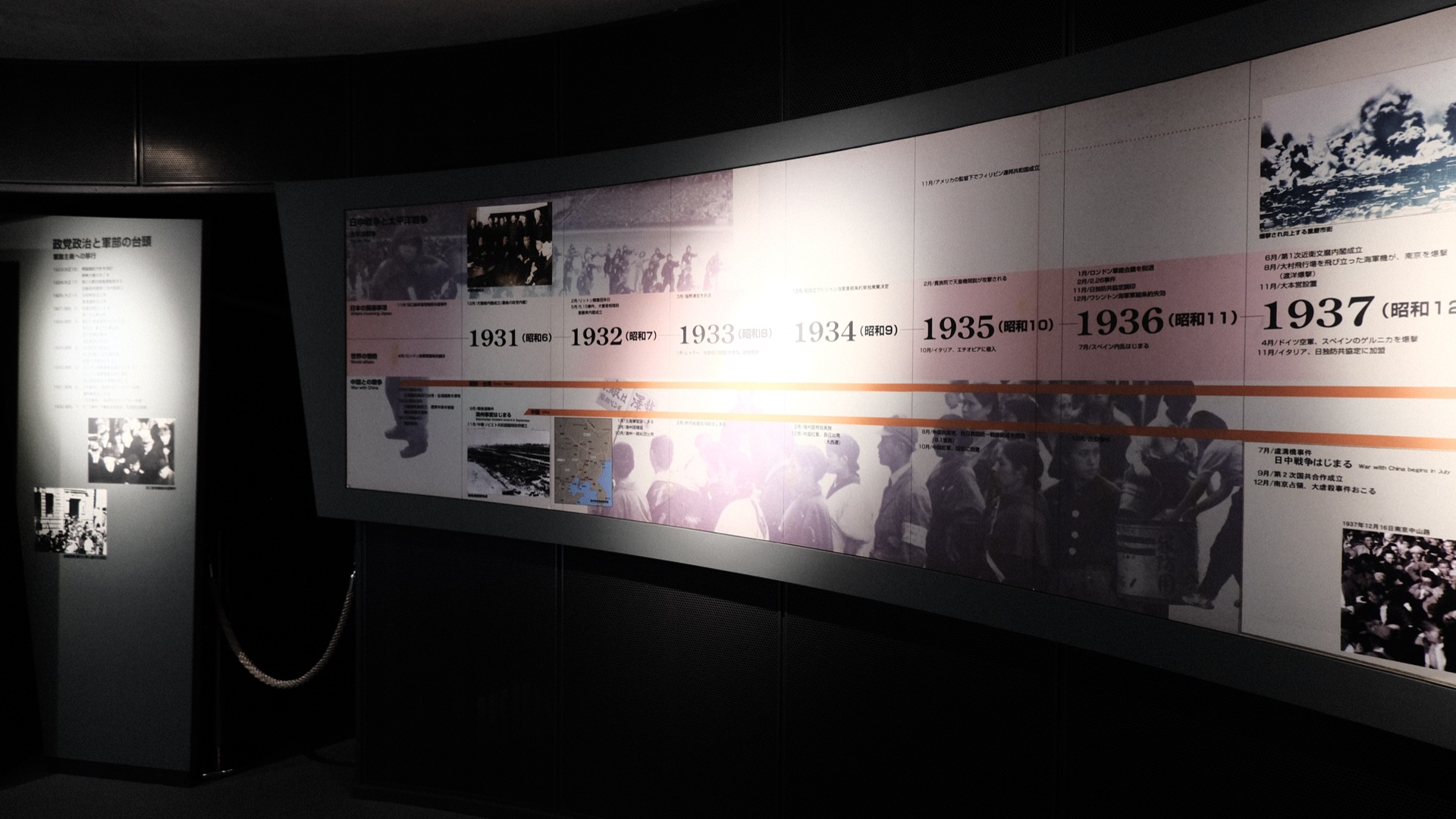
The earlier part of the timeline felt colder. Year after year, the world slid towards disaster, but on the wall it is arranged so neatly. Catastrophe can look very organised in retrospect.
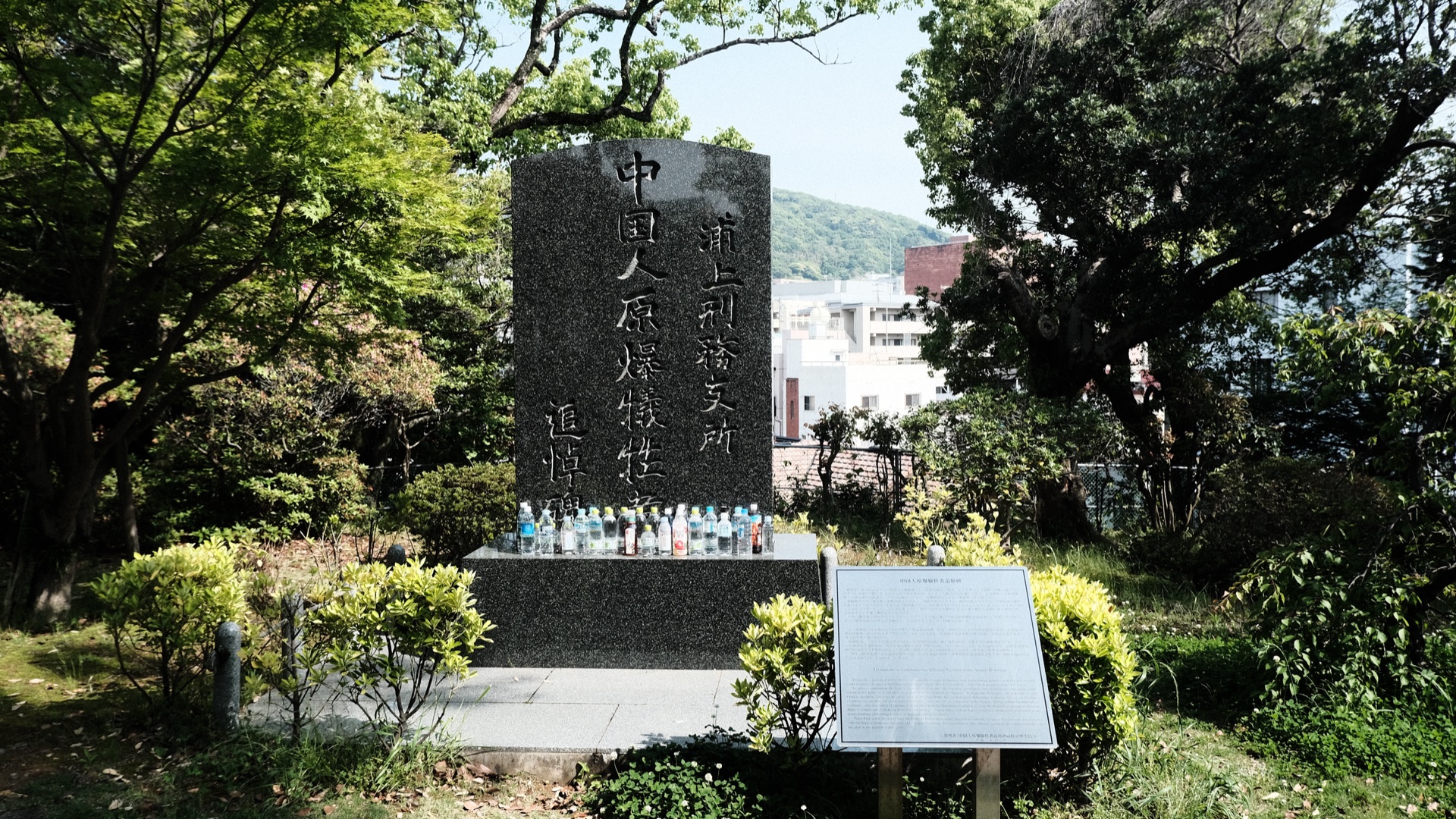
This memorial to Chinese victims was quiet and shaded, away from the main flow of visitors. Someone had left bottles of water in front of the stone.
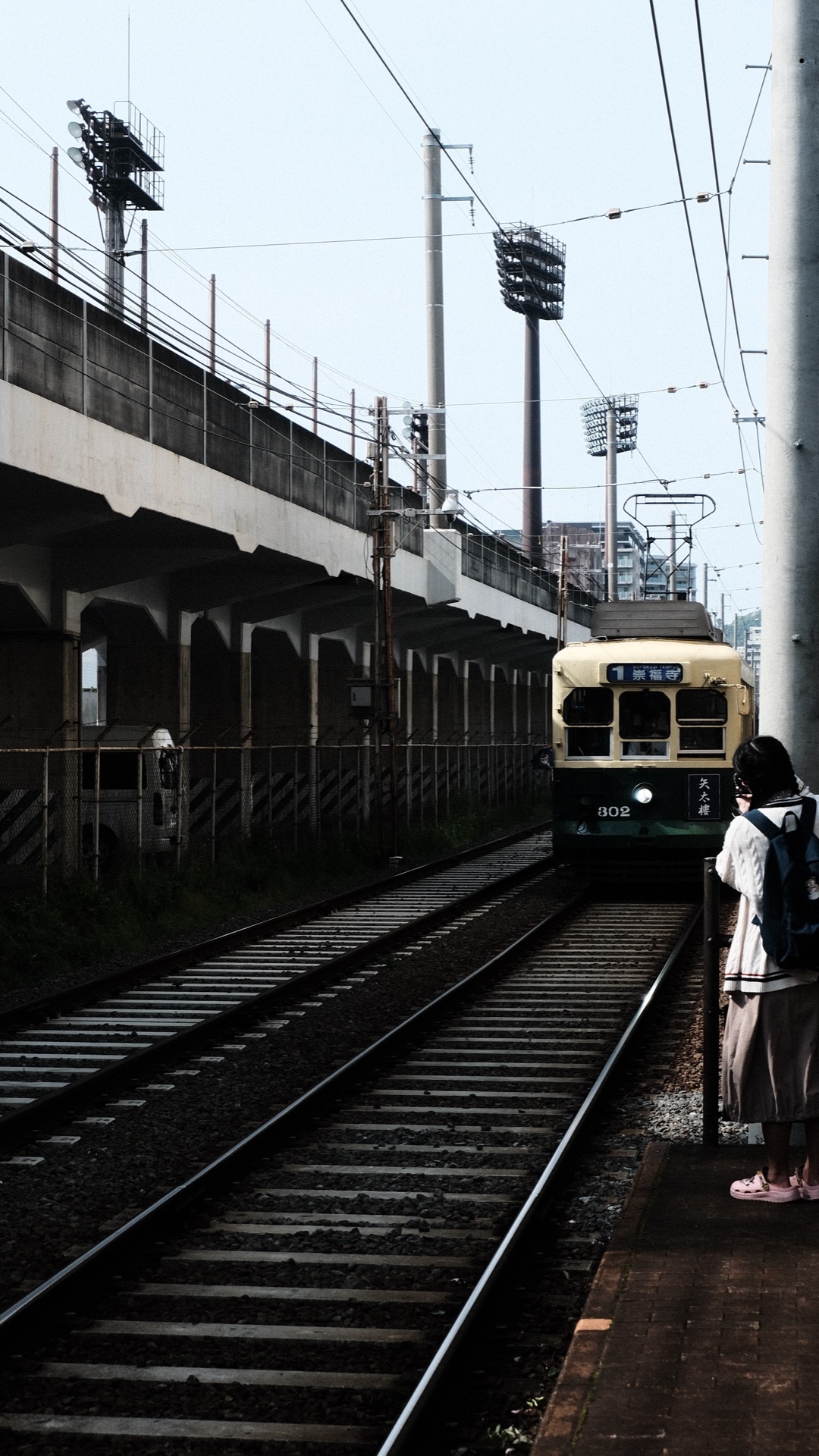
By the time I took this photo, I had already left the museum. An old tram came down the tracks, and a schoolgirl waited on the platform as if nothing in the world were unusual. That was the moment Nagasaki made the most sense to me: not as a city asking to be mourned, but as a city still going on.
Auden was right, in Musée des Beaux Arts —
About suffering they were never wrong,
The Old Masters: how well they understood
Its human position; how it takes place
While someone else is eating or opening a window or just walking dully along.